
If you have lost most or all of your teeth, or your remaining teeth are not healthy enough to restore, you have probably heard of All-on-4 or All-on-6 dental implants. Both treatments are designed to replace an entire arch of teeth with a fixed restoration supported by dental implants. At first, the difference may seem simple: four implants versus six.
However, the number of implants needed depends on several factors, including the quantity and quality of available bone, jaw anatomy, bite forces, implant position, and the design and material of the final restoration. Four strategically positioned implants can provide excellent support when the patient’s anatomy and restorative needs allow for it, while additional implants may be advantageous in other cases.
The goal is not to place as many implants as possible, but to create a stable and well-designed foundation for the final restoration based on each patient’s individual anatomy and needs.
Why Might Five or Six Implants Be Recommended?
The Material of the Final Restoration Also Matters
The number of implants recommended is not determined by bone availability alone. The material used for the final restoration is also an important part of treatment planning.
An All-on-4 restoration can be an excellent option for many patients, particularly when the prosthetic design and material are appropriate for four implants. However, when a full-arch restoration is made from zirconia, additional biomechanical considerations may come into play.
Zirconia is a strong and rigid material, but a full-arch zirconia restoration is also relatively heavy. This is particularly important in the upper arch, where the prosthesis is supported by the implants rather than resting naturally against the jaw. The implants must support the restoration while also managing the forces generated during biting and chewing.
When the patient’s anatomy and available bone allow, placing five or six implants can create additional points of support and help distribute those forces more evenly across the arch. Additional implants may also help reduce the amount of unsupported prosthesis, known as a cantilever, extending beyond the implants.
For this reason, an All-on-4 can certainly be appropriate in the upper jaw, but the decision should take into account not only the available bone but also the patient’s bite, implant position, bone quality, opposing dentition, and the material and design of the final restoration.
When a zirconia full-arch restoration is planned, our dental team generally prefers a minimum of five implants in the upper arch when the patient’s anatomy and bone availability allow. The goal is not simply to place more implants, but to create a well-supported restoration with favorable force distribution and long-term stability.
Every case is different. A 3D CT scan and comprehensive evaluation allow us to determine the number and position of implants that are most appropriate for each individual arch and the type of final restoration being planned.
Other Factors You Should Consider
The cost of All-on-4 and All-on-6 can also differ. All-on-6 may cost more because it involves additional implants and restorative components. However, implant count is only one part of the overall cost of a full-arch rehabilitation.
Your treatment may also include extractions, bone grafting, sedation, temporary teeth, implant components, and the final prosthesis. The material selected for the final restoration, such as zirconia, can also affect the overall cost.
All-on-4 and All-on-6 treatment plans are typically completed in two main phases. The first visit may include extractions, implant placement, and a temporary restoration when the implants achieve the stability required for immediate loading. The implants then need time to integrate with the jawbone through a process called osseointegration.
After the healing period, the patient returns for the restorative phase, during which the final prosthesis is designed, fabricated, adjusted, and fitted.
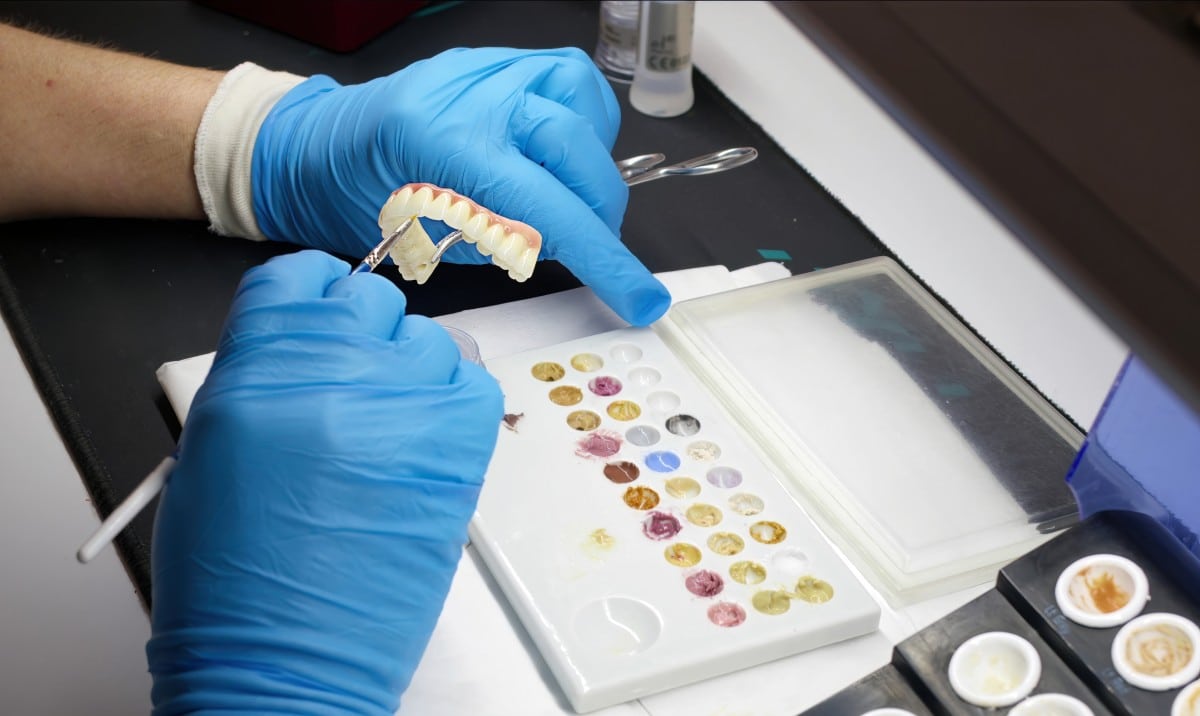
At Costa Rica Dental Team, treatment is planned with international patients in mind. Our on-site dental laboratory allows our dentists and dental technicians to work closely together throughout the restorative process, including evaluating the fit, bite, shape, function, and appearance of the final restoration.
We believe strongly in the quality of our work, which is why our prosthetic restorations are backed by a 10-year warranty, subject to the terms and conditions of our warranty program.
Ultimately, there is no universally better option between All-on-4 and All-on-6. The appropriate treatment depends on each patient’s bone availability, anatomy, bite, implant position, remaining teeth, medical and dental history, and the requirements of the final restoration.
Sometimes four implants provide the appropriate foundation. In other cases, five or six implants may provide additional support and biomechanical advantages.
Frequently Asked Questions
Is All-on-6 Always Better Than All-on-4?
No. More implants do not automatically mean a better result. Both approaches can provide excellent support when the case is properly evaluated and planned. The appropriate number of implants depends on the individual patient’s anatomy, available bone, bite, and restorative needs.
Why Might Five or Six Implants Be Recommended for the Upper Jaw?
The upper jaw often has different bone characteristics and anatomical limitations than the lower jaw. Bone density, the location of the maxillary sinuses, the amount of available bone, and the type of final restoration can all influence implant placement.
When the available bone and anatomy allow, additional implants can provide more points of support and help distribute forces across the restoration, particularly when a full-arch zirconia prosthesis is planned.
Will I Need a Bone Graft?
Not necessarily. Some patients have enough bone for implant placement without grafting, while others may require bone grafting or additional procedures to create adequate support for the implants.
A 3D CT scan is used to evaluate the height, width, and quality of the available bone, as well as the location of important anatomical structures, to determine what is possible.
Can I Find Out What Treatment I Need Before Traveling to Costa Rica?
In many cases, we can provide a preliminary evaluation before you travel. Recent dental X-rays, photographs, and information about your dental and medical history can help our team better understand your case.
This allows us to discuss treatment options that may be appropriate for you and prepare an estimated treatment plan. A final diagnosis and treatment plan will be determined after an in-person examination and any necessary 3D imaging.
Considering All-on-4 or All-on-6 in Costa Rica?
The best treatment is not necessarily the one with the most implants. It is the one that provides the appropriate foundation for your anatomy, your bite, and your final restoration.
At Costa Rica Dental Team, our team can review your recent dental records and help you understand which treatment options may be appropriate for your case before you make arrangements to travel.
Send us your recent dental X-rays, photographs, and information about your dental history to begin your preliminary evaluation and take the first step toward restoring your smile.